Churchill's Polar Bear Jail: A Unique Conservation Strategy
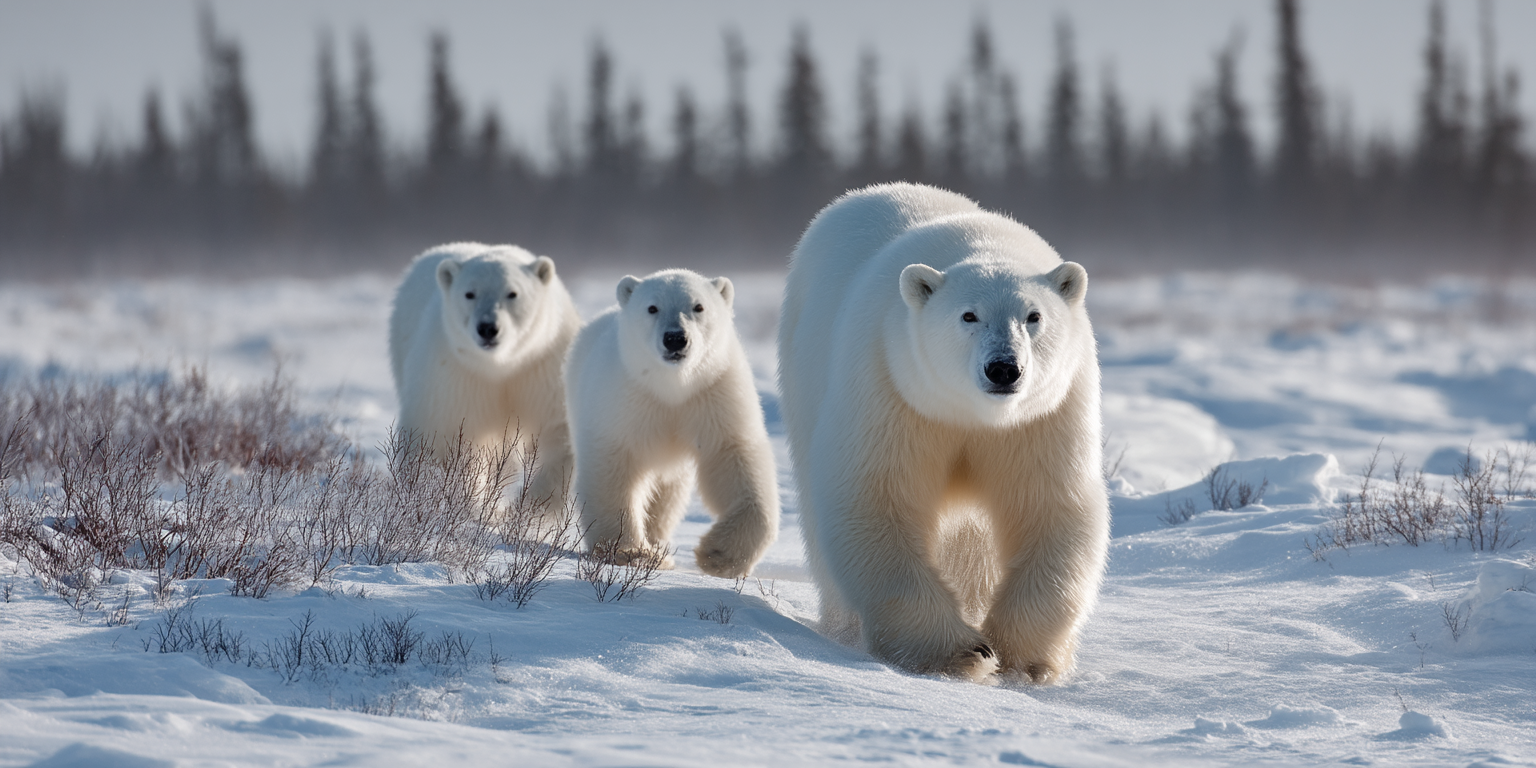
Welcome to an in-depth look at one of the most fascinating and innovative conservation strategies in the world, found in the heart of the Canadian Arctic. In this blog post, we'll explore the concept of the 'polar bear jail' in Churchill, Manitoba, and its significant role in protecting both the local community and the majestic polar bears that call this region home. We'll delve into why Churchill is known as the "Polar Bear Capital of the World," how humans and polar bears coexist, the mechanics and purpose of the polar bear jail, and how climate change is impacting this delicate balance. Also, we will explore Churchill’s other natural wonders and the region’s unique culture. This exploration builds upon the topics discussed in our latest podcast episode, 🎧 Podcast Episode: Polar Bear Capital of the World — Churchill, Manitoba, so be sure to give it a listen for even more insights!
Introduction to Churchill: Polar Bear Capital of the World
Churchill, Manitoba, a small town on the shores of Hudson Bay, has earned the title of "Polar Bear Capital of the World," and for good reason. Every autumn, as the temperatures drop and the sea ice begins to form, hundreds of polar bears gather near the town, waiting for the ice to solidify so they can begin their annual seal-hunting season. This migration creates a unique situation where the apex predator of the Arctic meets a human settlement, leading to both incredible opportunities for wildlife viewing and significant challenges for community safety.
The story of Churchill is one of coexistence, conservation, and constant adaptation. The town's residents have learned to live alongside these powerful animals, developing strategies to minimize conflict and protect both themselves and the polar bears. This delicate balance is what makes Churchill such a compelling and essential place to study and visit.
Why Churchill Is Known as the Polar Bear Capital
Churchill's reputation as the "Polar Bear Capital of the World" is rooted in its geographical location and the unique seasonal migration patterns of the polar bear population in the Hudson Bay area. The Western Hudson Bay subpopulation of polar bears is one of the most southerly populations in the world, and they spend their summers on land when the sea ice melts. As winter approaches, they congregate near Churchill, waiting for the ice to refreeze so they can access their primary food source: seals.
The combination of a large polar bear population and the accessibility of Churchill makes it a prime destination for wildlife enthusiasts and researchers. Unlike many other Arctic regions that are remote and difficult to reach, Churchill is accessible by train or plane from Winnipeg, making it relatively easy for visitors to experience the magic of seeing polar bears in their natural habitat. The town has also developed a thriving ecotourism industry centered around responsible polar bear viewing, with specialized tundra vehicles designed to safely navigate the terrain and provide close encounters with these magnificent animals.
The economic importance of polar bear tourism to Churchill cannot be overstated. It provides jobs for local residents, supports businesses, and helps fund conservation efforts. However, this also presents challenges in balancing the needs of the community and the well-being of the polar bear population.
Coexistence in Action: Living With Polar Bears
Living in proximity to polar bears requires a high level of awareness, respect, and proactive management. The town of Churchill has developed a comprehensive system to minimize human-bear conflict, known as the Polar Bear Alert Program. This program is a collaboration between the Manitoba Conservation and Climate and the local community, working together to ensure the safety of both residents and polar bears.
The Polar Bear Alert Program includes several key components:
- Patrols: Conservation officers patrol the town and surrounding areas, particularly during the peak polar bear season. They are trained to identify and respond to potential threats.
- Deterrents: A variety of humane deterrents are used to discourage polar bears from entering the town or approaching people. These include noisemakers, cracker shells, and, in some cases, tranquillizer darts.
- Education: Public education campaigns are conducted to inform residents and visitors about polar bear safety, including how to avoid attracting bears, what to do if they encounter a bear, and the importance of respecting their habitat.
- Waste Management: Proper waste management is crucial to preventing polar bears from being attracted to the town in search of food. Churchill has implemented strict waste disposal protocols to minimize odours and prevent bears from accessing garbage.
The success of the Polar Bear Alert Program is a testament to the dedication and cooperation of the people of Churchill. They understand that living with polar bears is a shared responsibility, and they are committed to finding ways to coexist peacefully.
The Polar Bear Jail: What It Is and How It Works
Perhaps the most unique aspect of Churchill's polar bear management strategy is the "polar bear jail," officially known as the Polar Bear Holding Facility. This facility is a temporary holding place for polar bears that have been deemed a threat to public safety. These are typically bears that have repeatedly entered the town, exhibited aggressive behaviour, or have become habituated to human food sources.
When a polar bear is captured, it is transported to the holding facility, where it is kept in a small, secure enclosure. The bears are typically held for a period of up to 30 days, during which they are not fed. This is done to discourage them from associating the town with food and to reinforce their natural hunting instincts. The facility is equipped with video surveillance to monitor the bears' behaviour and ensure their well-being.
Once the sea ice has formed and the polar bears can safely return to their hunting grounds, they are released back into the wild, far from the town. This process aims to reduce the likelihood that they will return to Churchill in search of food or shelter.
The polar bear jail has been a subject of debate and controversy. Some animal rights activists argue that it is cruel to confine the bears in this way. However, proponents of the facility argue that it is a necessary measure to protect both the bears and the community, and that it is preferable to more drastic measures, such as lethal removal. It is worth noting that bears are only ever euthanized as a last resort in situations where they pose an immediate threat to human life.
The "jail" has inspired similar programs across the Arctic, demonstrating that this concept has merit in protecting both humans and bears.
The Role of Indigenous Wisdom in Conservation
The Indigenous peoples of the Arctic have lived alongside polar bears for thousands of years, developing a deep understanding of their behaviour, ecology, and cultural significance. Their traditional knowledge and practices are invaluable to modern conservation efforts.
In Churchill, the local Indigenous communities, including the Inuit and Dene, play an essential role in polar bear management. They share their knowledge of the land, the animals, and the environment with conservation officers and researchers, helping to inform decision-making and promote sustainable practices. Indigenous elders also emphasize the importance of respect for the animals and the land, reminding us that polar bears are an integral part of the Arctic ecosystem and deserve our protection.
Incorporating Indigenous knowledge into conservation initiatives can lead to more effective and culturally sensitive approaches, ensuring that the needs of both the people and the animals are taken into account.
Climate Change Challenges and Adaptations
Climate change poses a significant threat to the polar bear population in the Hudson Bay region. As temperatures rise, the sea ice is forming later in the fall and melting earlier in the spring, reducing the amount of time that polar bears have to hunt seals. This leads to longer periods of fasting, which can weaken the bears and reduce their reproductive success.
The impacts of climate change are already being felt in Churchill. The town has seen an increase in the number of polar bears coming ashore in search of food, leading to more frequent encounters with humans. The Polar Bear Alert Program has had to adapt its strategies to deal with these changing conditions, and the community is working to reduce its carbon footprint and promote sustainable practices.
One example of this is the introduction of electric tundra buggies, which reduce greenhouse gas emissions and minimize disturbance to the environment. Churchill is also investing in renewable energy sources and improving its waste management systems to reduce its impact on the planet.
Addressing climate change is essential to ensuring the long-term survival of polar bears and the health of the Arctic ecosystem. This requires a global effort to reduce greenhouse gas emissions and transition to a more sustainable economy.
Beyond Polar Bears: Other Wildlife Spectacles
While polar bears are the main attraction in Churchill, the region is also home to a diverse array of other wildlife species. In the summer months, the Churchill River becomes a haven for beluga whales, with over 60,000 of these gentle creatures gathering to feed and breed. Visitors can take boat tours or kayak alongside the whales, listening to their unique vocalizations and observing their playful behaviour.
The mesmerizing aurora borealis, or Northern Lights often illuminate the winter skies above Churchill. These spectacular displays of light are caused by solar activity interacting with the Earth's atmosphere, creating a breathtaking spectacle that is not to be missed. Many visitors come to Churchill specifically to witness the aurora, making it a popular destination year-round.
Churchill's unique location at the intersection of several different ecosystems also makes it a birdwatcher's paradise. The region is home to a variety of migratory birds, including shorebirds, waterfowl, and raptors.
Hidden Gems and Local Culture in Churchill
Beyond the wildlife, Churchill offers a glimpse into a unique and resilient culture. The town has a rich history, shaped by its role as a trading post and a strategic military site.
Some of the hidden gems of Churchill include:
- Wapusk National Park: Located south of Churchill, Wapusk National Park is one of the world's most important polar bear denning areas. The park is also home to a variety of other wildlife, including caribou, wolves, and arctic foxes.
- The Polar Bear Marathon: An extreme endurance race held each November, the Polar Bear Marathon sees runners traversing the tundra under armed escort, with the ever-present threat of polar bears looming.
- The Itsanitaq Museum: This museum showcases the art and artifacts of the Inuit and Dene peoples, providing insights into their traditional way of life and their deep connection to the land.
- Cape Merry National Historic Site: Offers beautiful views of the Hudson Bay and excellent whale watching opportunities.
Exploring the local art galleries, craft shops, and restaurants in Churchill provides a chance to support the local economy and learn more about the culture and traditions of the region.
Final Thoughts: Churchill's Impact and Conservation Efforts
Churchill, Manitoba, is more than just a place to see polar bears; it's a living laboratory for conservation, a testament to the resilience of both humans and wildlife, and a reminder of the importance of respecting and protecting our planet. The town's unique situation, where people and polar bears coexist in proximity, has led to innovative conservation strategies, such as the polar bear jail, that have inspired similar programs around the world. Through these methods, Churchill is a model of coexistence, conservation, and resilience.
By visiting Churchill, supporting local businesses, and advocating for climate action, we can all play a part in ensuring that this special place continues to thrive for generations to come. And don't forget to listen to our latest podcast episode, 🎧 Podcast Episode: Polar Bear Capital of the World — Churchill, Manitoba, for even more insights into this fascinating destination!

The Rise of Indigenous-Owned Restaurants in Canada