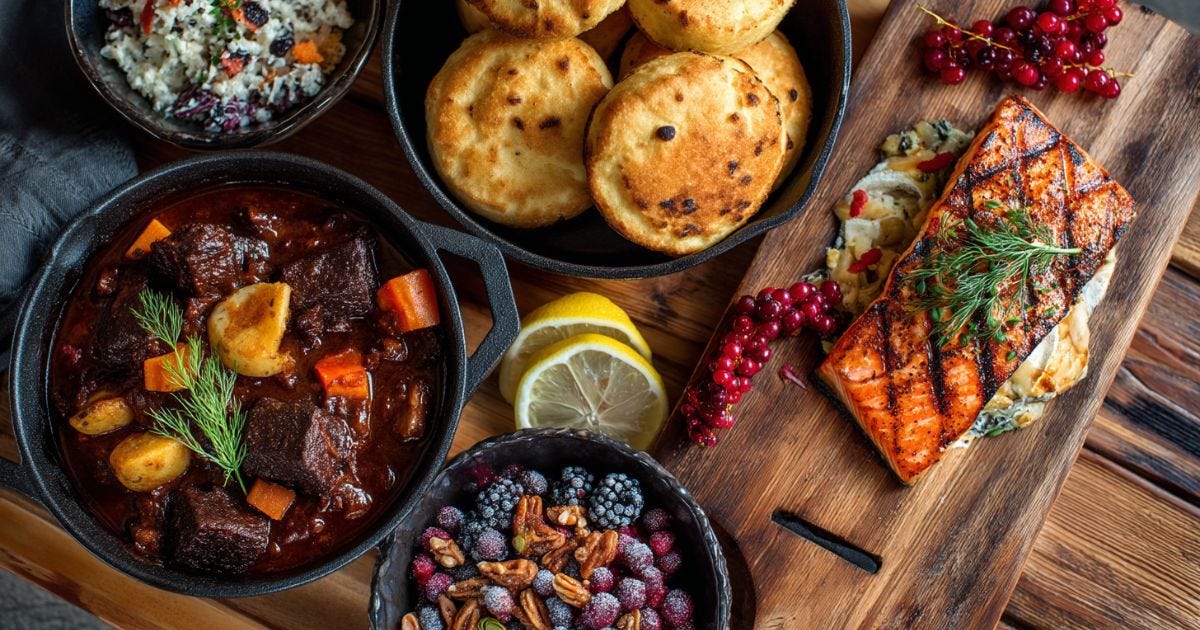
The Rise of Indigenous-Owned Restaurants in Canada
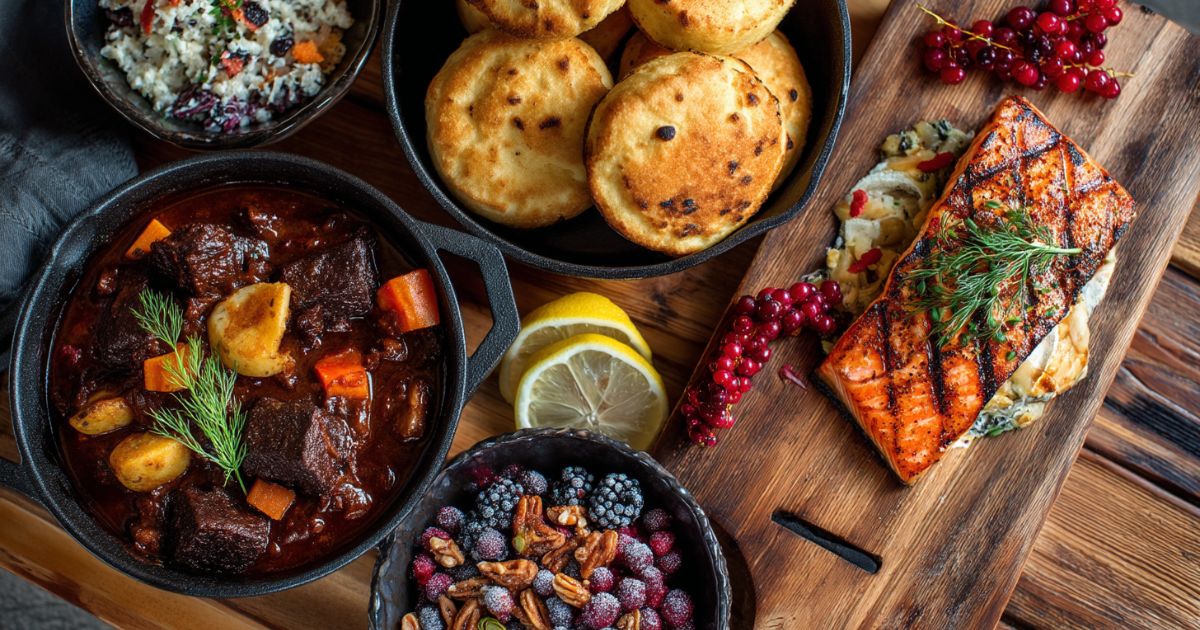
Welcome to the blog companion for the Discover Canada In Style podcast! In this post, we're expanding on the themes explored in our latest episode, A Taste of Indigenous Canada: Food, Culture & Connection. We delve into the exciting and essential movement of Indigenous-owned restaurants across Canada. These establishments are far more than just places to eat; they are vital spaces for cultural preservation, community empowerment, and the redefinition of Canadian cuisine itself. Join us as we explore the stories, ingredients, and chefs who are leading this culinary renaissance.
Introduction: A Culinary Renaissance in Canada
Canada's culinary scene is undergoing a profound transformation, driven by the rise of Indigenous-owned restaurants. These establishments are not just trendy eateries; they are powerful symbols of resilience, cultural revitalization, and economic empowerment. For too long, Indigenous culinary traditions have been marginalized or overlooked in mainstream representations of Canadian food. However, a growing wave of Indigenous chefs and entrepreneurs are reclaiming their culinary heritage and sharing it with the world.
This culinary renaissance represents a significant shift in the narrative of Canadian cuisine. It moves beyond the often-simplified notions of poutine and maple syrup to embrace the diverse and complex flavors that have shaped this land for millennia. Indigenous-owned restaurants offer a unique opportunity to experience the true taste of Canada, rooted in ancient traditions and adapted for modern palates. These restaurants are serving up delicious food and providing invaluable platforms for education, cultural exchange, and reconciliation.
The impact extends far beyond the dining table. These businesses support Indigenous communities by creating jobs, sourcing ingredients from local producers, and promoting cultural tourism. They also serve as important spaces for Indigenous people to connect with their heritage, share stories, and build community. The rise of Indigenous-owned restaurants is a testament to the strength and resilience of Indigenous cultures and their commitment to shaping their own future.
The Story Behind Indigenous Ingredients: More Than Just Food
Indigenous ingredients are the heart and soul of this culinary movement. These are not just commodities to be bought and sold; they are integral parts of Indigenous cultures, histories, and relationships with the land. Understanding the story behind these ingredients is crucial to appreciating the depth and significance of Indigenous cuisine.
Bannock, for example, is a simple yet versatile bread that has become a staple in many Indigenous communities across Canada. While its exact origins are debated, it is often seen as a symbol of resilience and adaptation, representing the ability of Indigenous peoples to create sustenance from available resources. Bannock can be baked, fried, or cooked over an open fire, and it is often served with soups, stews, or simply enjoyed with butter and jam.
Wild rice, or manoomin in Ojibwe, is another iconic Indigenous ingredient. It is a highly nutritious grain that grows naturally in the lakes and rivers of central Canada. Harvesting wild rice is a labor-intensive process that is often done by hand, using traditional methods passed down through generations. Wild rice is not just a food source; it is a sacred plant that plays a vital role in Indigenous cultures and economies.
Other important Indigenous ingredients include bison, salmon, berries, and maple syrup. Bison was once a primary food source for many Indigenous communities on the prairies, and its meat is still highly valued for its flavor and nutritional value. Salmon is a staple food for Indigenous peoples on the west coast, and it is celebrated for its cultural and spiritual significance. Berries are abundant throughout Canada, and they are used in a variety of dishes, from jams and pies to savory sauces and stews. Maple syrup is a uniquely Canadian product, and it has been used by Indigenous peoples for centuries as a sweetener and a medicine.
These ingredients are more than just food; they are living links to the land and the traditions of Indigenous peoples. By using and celebrating these ingredients, Indigenous-owned restaurants are helping to preserve cultural knowledge, promote sustainable food practices, and reconnect people with the natural world.
Spotlight on Indigenous-Owned Restaurants: Leading the Way
Across Canada, Indigenous-owned restaurants are leading the way in redefining Canadian cuisine and showcasing the richness of Indigenous culinary traditions. Here are just a few examples of establishments that are making a significant impact:
Salmon n' Bannock Bistro (Vancouver, BC): This award-winning restaurant is dedicated to serving authentic Indigenous cuisine with a modern twist. They use locally sourced ingredients and traditional cooking methods to create dishes that are both delicious and culturally significant. Their menu features items such as wild salmon, bison, and, of course, bannock.
Feast Café Bistro (Winnipeg, MB): Feast is a community-focused restaurant that celebrates Indigenous food and culture. They offer a range of dishes, including bannock burgers, wild rice bowls, and bison ribs. They also host cultural events and workshops to promote Indigenous art, music, and storytelling.
NishDish (Toronto, ON): NishDish is a popular restaurant that serves traditional Anishinaabe cuisine. They focus on using seasonal and locally sourced ingredients to create dishes that are both healthy and delicious. Their menu features items such as corn soup, wild rice salad, and maple-glazed salmon.
Ku-Kum Kitchen (Toronto, ON): Ku-Kum Kitchen is another great Indigenous restaurant that is serving First Nations cuisine in a fine dining setting.
These are just a few examples of the many Indigenous-owned restaurants that are making a difference in Canada. They are not only serving delicious food but also providing important spaces for cultural preservation, community empowerment, and education.
Preserving Culture Through Cuisine
Food is a powerful vehicle for cultural preservation. It connects people to their heritage, their ancestors, and their land. Indigenous-owned restaurants play a vital role in preserving Indigenous cultures by showcasing traditional ingredients, cooking methods, and culinary practices.
Many Indigenous restaurants incorporate traditional storytelling and cultural teachings into their dining experiences. They may share stories about the origins of ingredients, the significance of certain dishes, or the history of their community. This helps to educate diners about Indigenous cultures and to foster a deeper appreciation for their traditions.
Indigenous-owned restaurants also provide opportunities for Indigenous chefs and cooks to pass on their knowledge and skills to future generations. They often offer apprenticeships and training programs to young Indigenous people, ensuring that traditional culinary practices are kept alive. This is essential for preserving cultural heritage and for empowering Indigenous youth.
Beyond the restaurant walls, Indigenous communities are actively working to revitalize and preserve their culinary traditions. They are hosting cooking workshops, publishing cookbooks, and documenting traditional recipes. These efforts are crucial for ensuring that Indigenous culinary knowledge is not lost and that future generations can continue to enjoy and celebrate their cultural heritage.
Redefining Canadian Cuisine: A Taste of True Canada
For too long, Canadian cuisine has been defined by a narrow range of dishes and ingredients, often overlooking the rich culinary traditions of Indigenous peoples. Indigenous-owned restaurants are challenging this limited definition and redefining what "Canadian food" truly means.
By showcasing Indigenous ingredients and cooking methods, these restaurants are demonstrating the diversity and complexity of Canadian cuisine. They are highlighting the flavors that have shaped this land for millennia and offering a taste of the true Canada. They are challenging the perception that Canadian food is simply a fusion of European influences and instead asserting the importance of Indigenous culinary traditions.
This redefinition of Canadian cuisine is not just about adding Indigenous ingredients to existing dishes; it is about fundamentally changing the way we think about food and culture. It is about recognizing the contributions of Indigenous peoples to the culinary landscape of Canada and about celebrating the diversity of flavors that make this country unique.
As Indigenous-owned restaurants continue to thrive and gain recognition, they are paving the way for a more inclusive and representative culinary scene in Canada. They are inspiring other chefs and restaurants to incorporate Indigenous ingredients and techniques into their menus, and they are creating a space for Indigenous voices to be heard and celebrated.
Cooking Traditional Recipes at Home: Connecting to Heritage
You don't have to visit an Indigenous-owned restaurant to experience the flavors of Indigenous cuisine. Cooking traditional recipes at home is a great way to connect with your heritage, learn about Indigenous cultures, and enjoy delicious food.
There are many resources available to help you get started. Numerous Indigenous cookbooks feature a wide range of recipes, from traditional dishes passed down through generations to modern interpretations of classic flavors. Online resources, such as Indigenous food blogs and websites, also offer a wealth of information and recipes.
When cooking Indigenous recipes at home, it is important to be respectful of the cultural significance of the ingredients and techniques. Learn about the origins of the ingredients you are using and try to source them from sustainable and ethical sources. Consider attending a cooking workshop or cultural event to learn more about Indigenous culinary traditions.
Even simple recipes, such as bannock or wild rice pilaf, can be a great way to connect with Indigenous heritage. Take the time to learn about the history and significance of these dishes, and share them with your family and friends. By cooking and sharing Indigenous food, you can help to preserve cultural traditions and to foster a deeper appreciation for the diversity of Canadian cuisine.
Conclusion: The Future of Indigenous Food in Canada
The rise of Indigenous-owned restaurants in Canada is a testament to the resilience, creativity, and cultural pride of Indigenous peoples. These establishments are not just restaurants; they are vital spaces for cultural preservation, community empowerment, and the redefinition of Canadian cuisine. As we discussed in the A Taste of Indigenous Canada: Food, Culture & Connection podcast episode, they are shaping the future of food in Canada.
The future of Indigenous food in Canada is bright. As more Indigenous chefs and entrepreneurs enter the culinary scene, we can expect to see even more innovative and exciting dishes that showcase the richness of Indigenous culinary traditions. We can also expect to see a greater emphasis on sustainable food practices, cultural education, and community empowerment.
By supporting Indigenous-owned restaurants and by cooking traditional recipes at home, we can all play a role in shaping a more inclusive and representative culinary landscape in Canada. We can help to preserve Indigenous cultures, promote sustainable food practices, and celebrate the diversity of flavors that make this country unique. Let's continue to explore, learn, and savor the true taste of Indigenous Canada.

Churchill's Polar Bear Jail: A Unique Conservation Strategy